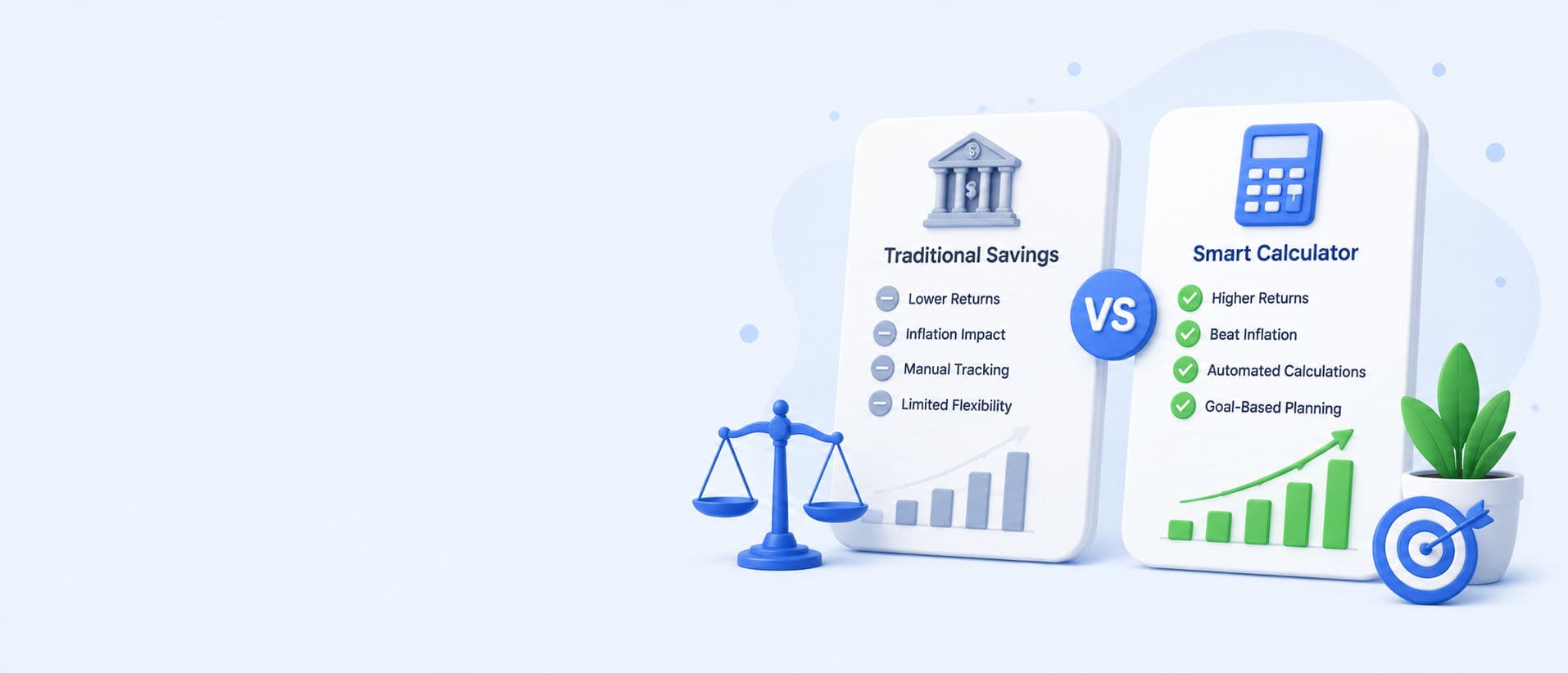
3D Printing Footprint Pricing vs Volume and Time Pricing
Compare footprint-area, material-volume, and machine-time approaches for estimating commercial 3D printing costs.
The calculator uses print-bed footprint area, but commercial 3D printing may also be estimated using material volume or machine time. Each approach highlights different cost drivers, and their usefulness depends on the parts and production process.
- 100% Free
- No Sign-Up Required
- Private & Secure
- Mobile Friendly
About 3D Printing Footprint Pricing vs Volume and Time Pricing
The calculator uses print-bed footprint area, but commercial 3D printing may also be estimated using material volume or machine time. Each approach highlights different cost drivers, and their usefulness depends on the parts and production process.
3
Comparisons
5
Key Factors
Instant
Results
100%
Free to Use
Footprint-area pricing vs material-volume pricing
A comparison of rectangular print-bed footprint pricing and material-volume pricing.
| Factor | Option A: Footprint-Area Pricing | Option B: Material-Volume Pricing | What It Means |
|---|---|---|---|
| Main measurement | Width × length, adjusted for allowance | Amount of material in the part | The appropriate measurement depends on the pricing model and production constraints. |
| Part height sensitivity | Does not directly change the result | Usually increases the result when more material is used | Volume-based methods reflect height and internal geometry more directly. |
| Print-bed layout relevance | Directly represented | Indirectly represented | Area pricing is useful when build-plate occupancy and spacing are central to the estimate. |
| Infill and wall thickness | Not represented | Can be represented when volume data reflects them | Material usage may vary substantially with shells and infill. |
| Speed of initial estimate | Fast with width, length, and quantity | May require model-derived volume data | A rectangular footprint can be estimated without detailed geometry. |
| Complex shape handling | Can overstate irregular shapes using a bounding rectangle | Can better reflect actual part geometry | Volume can be more precise for complex forms when reliable model data is available. |
Footprint-area pricing is a straightforward way to estimate bed occupancy, while volume pricing is generally more responsive to how much material a part contains.
Footprint-area pricing vs machine-time pricing
A comparison of bed-occupancy pricing and duration-based pricing.
| Factor | Option A: Footprint-Area Pricing | Option B: Machine-Time Pricing | What It Means |
|---|---|---|---|
| Primary cost driver | Billable print-bed footprint | Estimated printer operating duration | Different businesses may prioritize space utilization or machine availability. |
| Layer height effect | Not directly represented | Often affects estimated duration | Finer layers can increase the number of layers and printing time. |
| Part height effect | Not directly represented | Often affects estimated duration | Taller parts may require more layers and longer machine use. |
| Simple batch calculation | Uses width, length, quantity, allowance, and rate | Requires a print-time estimate | Footprint inputs can provide a quick early-stage estimate. |
| Machine scheduling relevance | Shows occupied area but not duration | Directly relates to printer availability | Time estimates are useful for assessing capacity and lead-time constraints. |
| Support and orientation impact | Can be approximated with allowance | Can affect duration but needs detailed data | Both approaches may need adjustment for orientation and supports. |
Footprint-area pricing is simple and transparent, while machine-time pricing better reflects duration-dependent operating costs.
Low allowance vs high allowance in area estimates
A comparison of two allowance choices within the same footprint-area method.
| Factor | Option A: Lower Allowance | Option B: Higher Allowance | What It Means |
|---|---|---|---|
| Billable area | Closer to the raw part footprint | Higher than the raw part footprint | The appropriate allowance should match expected spacing, supports, and waste. |
| Estimated price | Lower area-based charge | Higher area-based charge | The result follows directly from the chosen allowance percentage. |
| Contingency for waste | Less contingency included | More contingency included | A higher percentage reserves more area in the estimate. |
| Risk of overstating simple jobs | Lower | Higher | A high allowance may be unnecessary for simple, tightly controlled jobs. |
| Risk of understating complex jobs | Higher | Lower | A low allowance may not cover significant support, spacing, or test-print needs. |
Neither allowance is universally better. The percentage should be chosen to reflect the actual uncertainty and production requirements of the job.
Key Differences at a Glance
Footprint-area pricing uses print-bed occupancy, while volume pricing uses material quantity.
Machine-time pricing responds more directly to duration, layer settings, and printer availability.
Area-based estimates are quick but do not directly model height, infill, or geometry complexity.
The allowance percentage increases billable area before the area rate is applied.
A setup fee is a fixed order-level charge and is separate from the chosen variable pricing basis.
How to Decide
Assumptions
- The comparison describes general estimation methods and not universal pricing practices.
- Actual 3D printing quotes can combine more than one pricing basis.
- The footprint-area calculator treats every part as a rectangle and applies one uniform area rate.
- The examples do not include taxes, delivery, post-processing, or other optional services unless entered elsewhere.
Related Comparisons
Frequently Asked Questions
Is footprint-area pricing better than volume pricing for 3D printing?
Neither is always better. Footprint area focuses on bed occupancy, while volume focuses on material quantity; the useful method depends on the pricing model and job.
Why might a machine-time estimate differ from an area estimate?
Machine time can be affected by height, layer settings, speed, orientation, supports, and process requirements that an area-only estimate does not model.
Can a 3D printing quote use multiple pricing methods?
Yes. A commercial estimate may combine setup, material, machine time, footprint, finishing, and other job-specific charges.
Should I choose a low or high waste allowance?
Use an allowance that reflects expected spacing, supports, test work, and waste for the specific job. It is an estimate input rather than a universal rule.
Does a lower rate per cm² guarantee a lower final order price?
No. Setup fees, allowance choices, excluded services, and different pricing bases can change the final total.
Ready to calculate your result?
Try the calculator and compare options with your own inputs.